
Construction material selection is one of the most influential decisions made during any building project. The materials chosen affect structural performance, durability, energy efficiency, maintenance requirements, and the overall lifespan of a structure. Whether the project involves residential buildings, commercial facilities, or large-scale infrastructure, selecting suitable materials lays the foundation for reliable construction.
Modern construction projects demand more than structural strength alone. Architects, engineers, and project teams evaluate materials based on performance, environmental conditions, safety standards, sustainability goals, and compatibility with evolving construction technologies. This comprehensive approach helps ensure buildings remain functional throughout their intended service life.
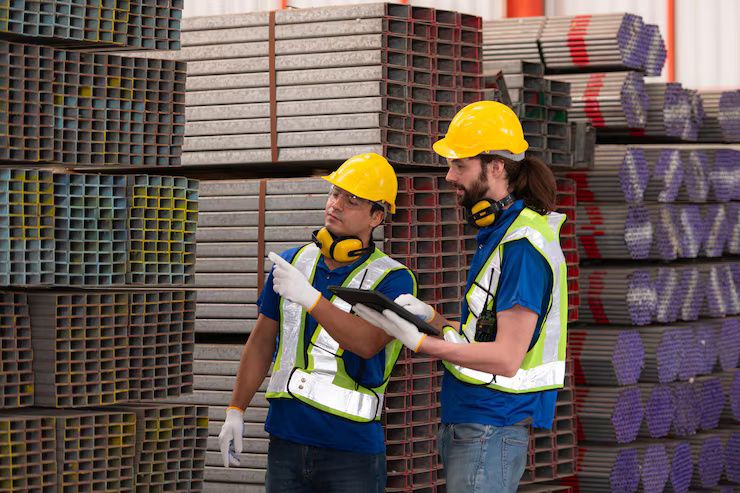
A clear understanding of construction material selection enables better planning and more informed project decisions. By considering technical performance alongside practical application, construction professionals can create structures that balance durability, efficiency, and long-term operational value.
Why Material Selection Matters in Modern Construction
Every construction project presents unique requirements. Environmental exposure, structural loads, occupancy type, local regulations, and maintenance expectations all influence which materials are most appropriate.
Selecting unsuitable materials may reduce structural performance, increase maintenance needs, or shorten the useful life of a building. Conversely, choosing materials that align with project objectives supports reliable performance while improving construction quality.
Material selection also affects construction scheduling, installation methods, and coordination among multiple building systems. Careful planning during the design stage reduces the likelihood of costly modifications during construction.
Key Factors That Influence Material Selection
Construction professionals evaluate numerous technical and practical considerations before specifying building materials.
Important factors typically include:
- Structural strength and load-bearing capacity
- Durability under expected operating conditions
- Resistance to moisture, corrosion, and weather
- Fire performance and safety requirements
- Thermal insulation properties
- Acoustic performance
- Maintenance requirements
- Environmental impact
- Compatibility with other construction systems
- Local building regulations and industry standards
Balancing these considerations allows project teams to select materials that support both immediate construction needs and long-term building performance.
Common Construction Materials and Their Applications
Modern buildings rely on a combination of materials rather than a single construction solution. Each material contributes unique properties suited to particular applications.
| Material | Typical Application | Primary Advantage |
|---|---|---|
| Concrete | Foundations, columns, slabs | High compressive strength |
| Structural Steel | Frames and large-span structures | Excellent strength-to-weight ratio |
| Masonry | Walls and partitions | Durability and fire resistance |
| Timber | Residential framing and interiors | Renewable and lightweight |
| Glass | Facades and windows | Natural light and architectural flexibility |
| Aluminum | Exterior systems and cladding | Corrosion resistance |
| Composite Materials | Specialized structural applications | Reduced weight and improved performance |
Successful projects often combine these materials to achieve structural efficiency, architectural flexibility, and operational performance.
Balancing Performance and Sustainability
Environmental considerations have become increasingly important when selecting construction materials.
Many projects now evaluate materials based not only on mechanical performance but also on resource efficiency, recyclability, embodied carbon, and environmental certifications. Sustainable material selection supports responsible construction practices while helping reduce the environmental impact of new developments.
Manufacturers continue developing products that improve durability while requiring fewer natural resources during production. Recycled aggregates, engineered wood products, low-carbon concrete mixtures, and high-performance insulation materials are examples of innovations supporting sustainable construction.
Selecting environmentally responsible materials often complements long-term operational efficiency rather than replacing traditional engineering priorities.
Material Compatibility Improves Building Performance
Individual materials rarely function independently within a completed structure. Instead, they operate together as integrated building systems.
Compatibility between structural components, insulation, waterproofing systems, finishes, and mechanical installations influences the overall performance of the building. Poor compatibility can lead to moisture problems, premature deterioration, or reduced energy efficiency.
Design teams therefore evaluate how materials interact throughout the building envelope and structural framework before finalizing construction specifications.
The Role of Standards and Quality Control
Construction materials must consistently meet established performance requirements before they are incorporated into a project.
Quality assurance begins with material manufacturing and continues through transportation, storage, inspection, and installation. Industry standards help define testing procedures, performance criteria, and manufacturing tolerances that support consistent product quality.
During construction, project teams often verify material specifications through inspection, documentation, and testing to ensure compliance with engineering requirements and applicable building regulations.
Consistent quality management reduces the risk of defects while improving overall project reliability.
Emerging Trends in Construction Materials
Advances in material science continue expanding the options available to construction professionals.
High-performance concrete formulations provide improved durability under demanding conditions, while engineered timber products enable larger wood structures with enhanced structural capacity. Self-healing concrete, advanced insulation systems, and smart building materials capable of monitoring structural conditions are also attracting growing industry interest.
Digital design tools further support material optimization by allowing engineers to evaluate structural performance before construction begins. These technologies help reduce waste while improving design efficiency and project coordination.
Although innovation continues rapidly, successful material selection still depends on understanding project objectives rather than simply adopting the newest available products.
Practical Considerations During Material Selection
Technical performance alone does not determine whether a material is suitable for a project. Construction professionals also evaluate practical factors that influence successful implementation.
Installation requirements, transportation logistics, equipment availability, workforce expertise, maintenance planning, and expected service conditions all contribute to informed material selection.
Early collaboration among architects, engineers, contractors, and suppliers helps identify potential challenges before construction begins. This coordinated approach supports smoother project execution and reduces the likelihood of material-related issues during later project stages.
Conclusion
Construction material selection is a fundamental part of successful building design and project delivery. By carefully evaluating structural performance, environmental conditions, durability, sustainability, compatibility, and quality standards, construction professionals create buildings capable of delivering reliable long-term performance.
As building technologies continue advancing, thoughtful material selection will remain essential for developing efficient, resilient, and adaptable structures. Combining sound engineering principles with informed material choices supports smarter building solutions that meet today's construction demands while preparing for future challenges.