Maintaining a comfortable indoor environment becomes increasingly important as temperatures rise and living and working spaces become more diverse. An air conditioner is no longer limited to a single type of building or room.
Today, cooling systems are designed for apartments, family homes, offices, retail spaces, educational facilities, healthcare environments, and industrial settings, each with unique cooling requirements. Choosing the right air conditioner involves more than selecting a unit that produces cool air. Room size, building layout, insulation, climate conditions, energy efficiency, noise levels, maintenance needs, and long-term performance all influence how well a cooling system meets everyday expectations. Understanding these factors helps individuals and organizations make informed decisions that support comfort, efficiency, and reliability.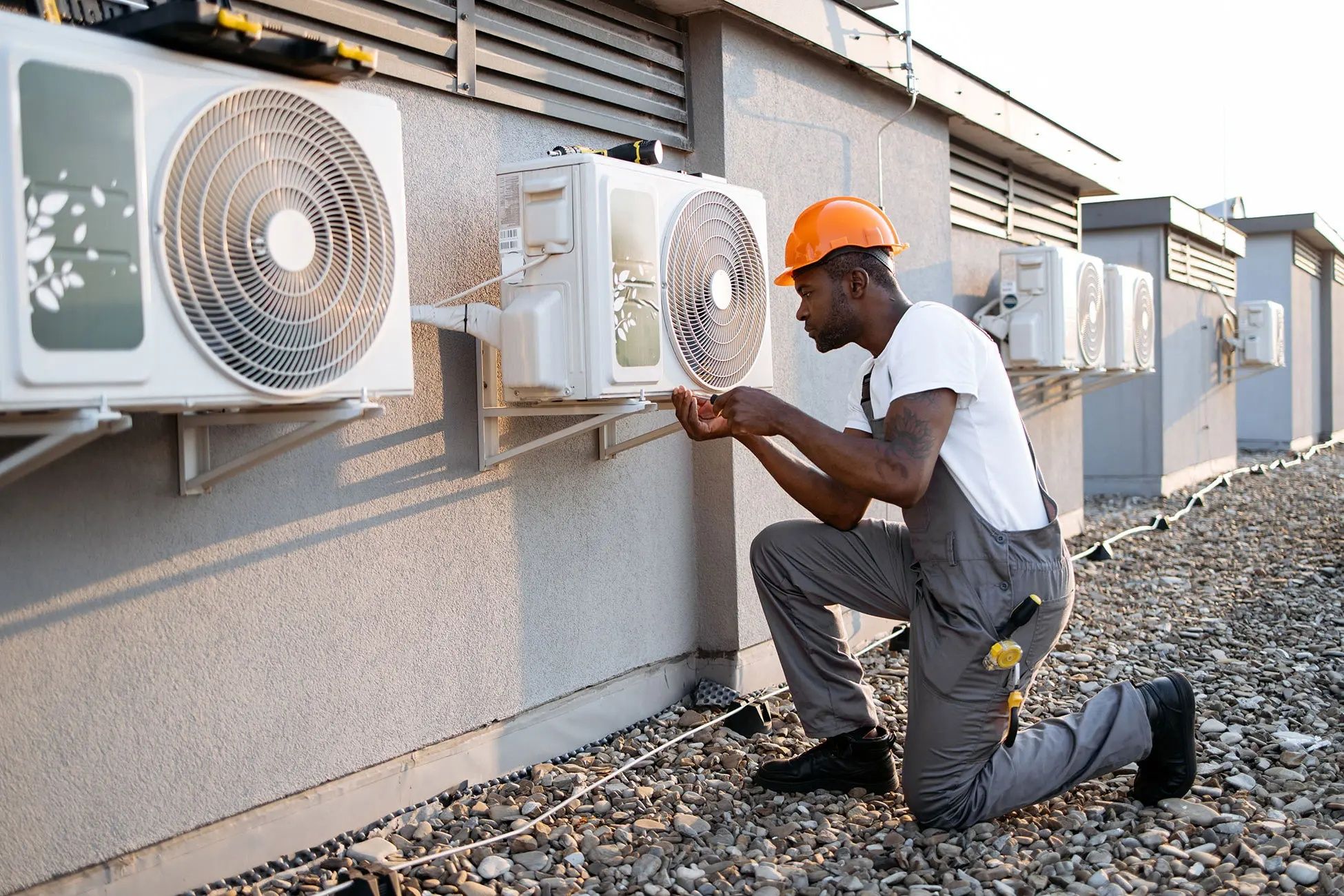
This guide explains the different types of air conditioners, the factors to evaluate before selecting one, and practical considerations that can help match the most suitable cooling approach to any space.
Understanding How an Air Conditioner Works
An air conditioner removes heat from indoor air and transfers it outside through a refrigeration cycle. This process creates a cooler indoor environment while also reducing humidity, which contributes significantly to overall comfort.
Although system designs vary, most air conditioners include several essential components:
- An indoor unit that absorbs heat from the room.
- An outdoor unit that releases collected heat.
- A compressor that circulates refrigerant through the system.
- Evaporator and condenser coils that support heat exchange.
- Fans that move air across the cooling components.
- Controls that regulate temperature and operating modes.
Modern air conditioners often include features such as programmable timers, smart controls, multiple fan speeds, and automatic temperature adjustment to improve convenience and energy management.
Common Types of Air Conditioners
Different environments benefit from different cooling solutions. Understanding the available options makes it easier to identify an appropriate system.
Window Air Conditioners
Window units combine all cooling components into a single appliance installed within a window or specially prepared wall opening. They are commonly used for cooling individual rooms where centralized cooling is unnecessary.
Split Air Conditioners
Split systems consist of an indoor unit connected to an outdoor condenser. They are popular because they operate quietly indoors while providing effective cooling for bedrooms, living rooms, offices, and similar spaces.
Multi-Split Systems
A multi-split configuration allows several indoor units to connect to one outdoor unit. This approach supports independent temperature control in multiple rooms while reducing outdoor equipment requirements.
Portable Air Conditioners
Portable units can be moved between rooms and typically exhaust warm air through a nearby window. They provide flexibility where permanent installation is not practical.
Central Air Conditioning
Central systems distribute cooled air throughout an entire building using ductwork. They are commonly found in larger homes, commercial buildings, educational facilities, and offices requiring consistent cooling across multiple spaces.
Ductless Mini-Split Systems
Ductless systems provide zoned cooling without requiring existing ductwork. Individual indoor units can serve different rooms while allowing independent temperature control.
Factors to Consider Before Choosing an Air Conditioner
Selecting an appropriate air conditioner involves evaluating several practical considerations rather than focusing on cooling capacity alone.
Room Size
The size of the space significantly affects cooling performance. An undersized unit may operate continuously without achieving the desired temperature, while an oversized unit may cool the room too quickly without adequately managing humidity.
Building Layout
Open floor plans, multiple rooms, ceiling height, and airflow patterns all influence cooling effectiveness. Spaces with complex layouts may require zoned cooling instead of relying on a single unit.
Local Climate
Regions with high humidity often benefit from systems that effectively reduce moisture alongside temperature. Dry climates may place different demands on cooling equipment.
Insulation Quality
Proper insulation helps maintain indoor temperatures by limiting heat transfer through walls, ceilings, and windows. Well-insulated buildings generally place less demand on cooling systems.
Sun Exposure
Rooms receiving direct sunlight during much of the day typically experience greater heat gain and may require additional cooling capacity compared with shaded spaces.
Occupancy Levels
The number of people regularly using a space influences indoor heat generation. Offices, classrooms, conference rooms, and public areas often require cooling systems designed to accommodate changing occupancy.
Understanding Energy Efficiency
Energy efficiency has become an important consideration when selecting cooling equipment. Efficient systems help reduce electricity consumption while maintaining consistent indoor comfort.
Several factors contribute to efficient operation:
- Proper system sizing for the intended space.
- High-efficiency compressors.
- Variable-speed operation that adjusts cooling output as needed.
- Programmable temperature controls.
- Well-maintained filters and coils.
- Effective insulation throughout the building.
Operating habits also influence efficiency. Keeping doors and windows closed while cooling, maintaining reasonable temperature settings, and minimizing unnecessary heat sources can improve overall system performance.
Features That Improve Everyday Comfort
Modern air conditioners often include features designed to improve both convenience and indoor comfort.
Smart Controls
Many systems support remote operation through mobile applications or home automation platforms, allowing users to adjust temperatures before arriving home or manage multiple cooling zones.
Air Filtration
Integrated filters capture dust, pollen, and other airborne particles, contributing to cleaner indoor air. Some systems also include enhanced filtration technologies for improved air quality.
Humidity Control
Maintaining appropriate humidity levels improves comfort and helps reduce the feeling of excessive warmth during humid weather.
Quiet Operation
Advances in compressor and fan design have significantly reduced operating noise, making newer systems suitable for bedrooms, offices, and study areas.
Multiple Operating Modes
Many air conditioners offer cooling, fan-only, automatic adjustment, sleep settings, and energy-saving modes that adapt performance to changing conditions.
Maintenance Practices That Support Reliable Performance
Routine maintenance helps preserve cooling efficiency and extend equipment life.
Common maintenance practices include:
- Cleaning or replacing air filters regularly.
- Keeping outdoor units free from leaves, dust, and debris.
- Inspecting air vents to ensure unrestricted airflow.
- Monitoring unusual sounds or reduced cooling performance.
- Checking drainage systems for proper operation.
- Scheduling periodic professional inspections where appropriate.
Consistent maintenance also helps maintain indoor air quality and supports stable cooling performance throughout the warmer months.
Choosing the Right Cooling Approach for Different Spaces
Different environments often benefit from different air conditioning solutions.
Small Bedrooms and Individual Rooms
Compact window units or ductless mini-split systems often provide efficient cooling while allowing individual temperature control.
Apartments
Split systems and portable air conditioners are common choices where installation flexibility or limited structural modifications are important considerations.
Family Homes
Larger homes may benefit from central air conditioning or multiple ductless zones that provide consistent comfort throughout different living areas.
Offices
Commercial office environments often require systems capable of maintaining stable temperatures despite changing occupancy levels, electronic equipment, and extended operating hours.
Retail Spaces
Retail environments benefit from cooling systems that maintain customer comfort while accommodating frequently opening entrance doors and varying occupancy throughout the day.
Educational and Healthcare Facilities
Schools and healthcare environments prioritize reliable temperature control, good airflow, and consistent indoor comfort to support learning, productivity, and occupant well-being.
Common Mistakes to Avoid
Understanding common selection mistakes can improve long-term satisfaction with a cooling system.
Some frequently encountered issues include:
- Choosing equipment based solely on room dimensions without considering insulation or sun exposure.
- Ignoring maintenance requirements after installation.
- Blocking indoor or outdoor airflow with furniture or landscaping.
- Setting extremely low temperatures expecting faster cooling.
- Overlooking humidity control needs.
- Failing to consider future expansion or additional cooling zones.
Avoiding these mistakes helps improve both performance and overall efficiency.
Frequently Asked Questions
How do I determine the right air conditioner for my room?
Consider room dimensions, insulation quality, ceiling height, occupancy, sunlight exposure, and ventilation. These factors together provide a more accurate assessment than room size alone.
Is a larger air conditioner always better?
No. An oversized system may cycle on and off frequently, reducing humidity control and potentially decreasing overall efficiency and comfort.
How often should air conditioner filters be cleaned?
Cleaning frequency depends on usage, indoor conditions, and filter type. Regular inspection helps maintain proper airflow and cooling performance.
Can one air conditioner cool multiple rooms?
Some systems, such as central air conditioning and multi-split configurations, are designed to cool multiple rooms effectively. Single-room units generally perform best within their intended coverage area.
Why is regular maintenance important?
Routine maintenance helps maintain airflow, improve efficiency, support indoor air quality, reduce unexpected performance issues, and extend the lifespan of the equipment.
Conclusion
Choosing the right air conditioner involves balancing cooling performance, energy efficiency, building characteristics, and everyday comfort. Every space has unique requirements, and understanding the available cooling approaches makes it easier to identify a system that aligns with those needs.
Whether cooling a single room, an apartment, a family home, or a larger commercial environment, evaluating factors such as room size, insulation, climate, airflow, and maintenance requirements leads to more informed decisions. A thoughtfully selected and properly maintained air conditioner can provide consistent indoor comfort, efficient operation, and dependable performance across a wide variety of spaces for years to come.