A pest problem in a commercial property can disrupt daily operations, damage inventory, and create concerns about cleanliness and safety.
Commercial pest control helps businesses manage these risks through structured inspections, preventive measures, targeted treatments, and ongoing monitoring tailored to the building and its activities.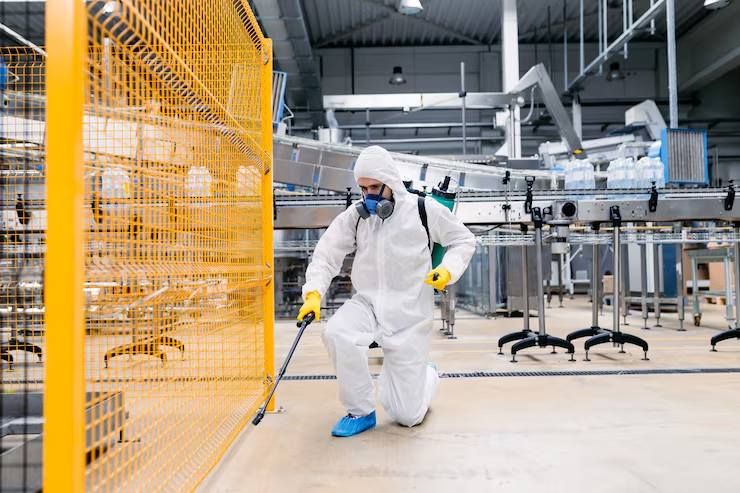
Pest management is particularly relevant in restaurants, warehouses, offices, hotels, healthcare facilities, food-processing plants, and retail environments. Each setting presents different challenges, from food residues and moisture to storage practices, delivery movements, and hidden entry points. A solution that works for an office may not be suitable for a food-handling facility.
Effective commercial pest control focuses on preventing infestations before they become operational problems. Understanding pest behavior, building conditions, sanitation practices, and treatment options helps businesses establish a reliable protection plan without relying solely on reactive chemical applications.
Why Pest Control Matters in Commercial Properties
Pests can affect a business in several ways. Rodents may damage packaging, electrical insulation, and stored materials, while insects can contaminate food, affect stored products, or become a recurring nuisance in customer-facing spaces.
The consequences depend on the industry. A restaurant may face food contamination concerns, while a warehouse may experience damaged stock or disruptions to inventory handling. In offices and hospitality environments, visible pest activity can undermine customer confidence and create uncomfortable working conditions.
Some pest problems also involve regulatory requirements. Businesses that handle food, pharmaceuticals, or other sensitive products may need to follow specific sanitation, inspection, documentation, and pest-prevention procedures. Effective control supports these responsibilities, although it does not replace the other hygiene and safety measures required for the facility.
Identifying the Pests and Their Entry Points
A successful pest management plan begins with identifying the species involved and understanding why it is present. Different pests respond to different environmental conditions, so treatment decisions should be based on evidence rather than assumptions.
Rodents commonly enter through gaps around doors, utility lines, drains, and damaged building components. Cockroaches may hide in warm, humid areas near plumbing, appliances, and food preparation equipment. Flies are often associated with waste, drains, exposed food, and other organic material.
Stored-product pests can appear in warehouses and food businesses when infested goods enter the facility or when unsuitable storage conditions allow populations to develop. Ants may follow food residues or moisture trails, making small sanitation problems important clues during an inspection.
Inspectors look for live pests, droppings, damaged materials, nesting evidence, insect activity, and conditions that support breeding. Identifying these signs helps distinguish an isolated occurrence from an established infestation and guides the next steps.
Building a Preventive Pest Management Plan
Commercial pest control works more effectively when prevention is part of routine facility management. The objective is to reduce access to food, water, shelter, and entry routes while identifying early signs of activity.
A practical plan usually combines several measures. Building maintenance addresses cracks, damaged screens, door gaps, and openings around pipes. Sanitation procedures remove food residues, manage waste, and prevent moisture from accumulating. Storage practices keep materials organized and make inspection easier.
Businesses can also establish clear responsibilities for staff. Employees should know how to report pest sightings, where waste belongs, how to maintain storage areas, and which conditions require immediate attention. Prompt reporting allows the responsible team to investigate before a small problem develops into a larger one.
Prevention is especially valuable in facilities with frequent deliveries or substantial stock movement. Incoming cartons, pallets, equipment, and raw materials can introduce pests or conceal signs of activity. Inspection procedures help identify potential problems before goods are distributed throughout the building.
Choosing Appropriate Treatment Methods
The treatment method depends on the pest species, infestation level, facility layout, and potential exposure of people, products, and equipment. Professional pest management generally combines physical, biological, environmental, and chemical controls where appropriate.
Traps and monitoring devices can help detect rodents or insects and provide information about activity patterns. Exclusion measures, such as sealing entry points and installing suitable door barriers, reduce the likelihood of pests entering the building.
Chemical treatments may be necessary when other measures are insufficient or when the infestation requires targeted intervention. However, pesticides must be selected and applied according to their approved label directions and applicable regulations. The presence of food, employees, customers, sensitive equipment, or vulnerable occupants may impose additional precautions.
An effective treatment plan should explain what will be treated, why the method is appropriate, what preparation is needed, and whether temporary access restrictions are necessary. Businesses should avoid unapproved mixtures, indiscriminate spraying, and applications that could contaminate food or work surfaces.
Integrated Pest Management in Business Environments
Integrated Pest Management (IPM) provides a structured approach to preventing and controlling pest activity. Rather than treating pesticide application as the primary response, IPM combines inspection, monitoring, sanitation, exclusion, and targeted treatment.
The process begins with identifying the pest and assessing the conditions that support it. Monitoring then helps establish whether activity is increasing, decreasing, or concentrated in particular areas. Corrective measures address the underlying causes, while treatment is selected according to the evidence.
For example, repeated insect activity near a commercial kitchen drain may indicate a sanitation or drainage issue that needs attention alongside any necessary pest treatment. Applying pesticide without correcting the underlying condition may provide only temporary relief.
IPM also encourages businesses to evaluate results. Monitoring records, inspection findings, staff reports, and follow-up visits help determine whether the intervention worked and whether additional action is required.
Maintaining Pest Control Across Different Industries
Commercial facilities do not share identical pest risks, so prevention and monitoring should reflect how each property operates.
Restaurants and food-processing facilities need particular attention to food residues, drains, waste storage, ingredient handling, and contamination prevention. Pest management activities must be coordinated with cleaning and production schedules to protect food and food-contact surfaces.
Warehouses and distribution centers benefit from organized storage, clear inspection access, monitoring near receiving areas, and attention to packaging damage. Stock rotation and incoming-goods inspections can also help identify stored-product pests before they spread.
Hotels and other accommodation businesses need procedures for investigating reported sightings, inspecting affected rooms, and checking adjacent areas when appropriate. Offices may focus more heavily on waste management, pantry hygiene, plumbing leaks, and gaps around building services.
In healthcare environments, pest control requires careful coordination with infection-prevention procedures and the needs of vulnerable occupants. Treatment methods must be appropriate for the setting and must not create avoidable exposure risks.
Monitoring Results and Keeping Accurate Records
Pest control should be evaluated through observable results rather than the number of treatments performed. A facility may receive regular service yet continue experiencing problems if entry points, sanitation issues, or storage conditions remain unresolved.
Monitoring devices, inspection reports, pest-sighting logs, and treatment records help reveal patterns. Repeated activity in one area may indicate a concealed access route, a moisture problem, or a source of food that has not been removed.
Useful performance measures can include the frequency of pest sightings, the number of active monitoring points, recurring problem locations, time taken to resolve reported issues, and the recurrence of infestations after treatment. These indicators help businesses assess whether preventive measures are working.
Documentation is also valuable for internal reviews and applicable compliance requirements. Records should identify inspection findings, corrective actions, treatment details, follow-up requirements, and the person responsible for completing each action.
Common Mistakes That Weaken Pest Prevention
Several operational mistakes can undermine an otherwise sound pest management program. One is relying on visible treatment alone while ignoring the environmental conditions that attract pests. Another is delaying repairs to doors, drains, walls, or plumbing after an inspection identifies a problem.
Inconsistent cleaning and poorly managed waste can also allow pests to return. Similarly, placing monitoring devices without reviewing their results creates little value because changes in activity may go unnoticed.
Businesses should also avoid treating every pest sighting as evidence of the same underlying problem. Correct identification is essential because different species require different control methods. Where activity persists, a qualified pest management professional can reassess the site and adjust the plan.
Frequently Asked Questions
How often should a commercial property receive pest control inspections?
The appropriate frequency depends on the industry, building conditions, pest history, and regulatory requirements. Food-handling facilities or properties with recurring activity may need more frequent inspections than low-risk offices.
Is commercial pest control safe for employees and customers?
It can be managed safely when appropriate methods are selected and applied according to product labels, regulations, and site-specific precautions. Businesses should follow any instructions concerning ventilation, restricted access, food protection, and re-entry.
What should a business do after noticing pests?
Report the sighting, record the location and circumstances, and remove accessible food or waste sources where appropriate. Avoid disturbing suspected nests or applying unapproved chemicals. Arrange an inspection if the activity continues or suggests an established infestation.
Can pest control prevent future infestations completely?
No pest management program can guarantee that pests will never enter a commercial property. Regular monitoring, building maintenance, sanitation, and timely intervention can reduce the likelihood of infestations and help identify problems earlier.
What is the difference between pest control and Integrated Pest Management?
Conventional pest control may focus primarily on treating an existing infestation. Integrated Pest Management combines identification, monitoring, prevention, environmental corrections, and targeted treatment to address both current activity and its underlying causes.
Conclusion
Commercial pest control is an ongoing part of protecting business premises, products, employees, and customers. The strongest approach combines accurate pest identification, preventive maintenance, appropriate treatment, and regular monitoring.
By addressing the conditions that attract pests and reviewing results over time, businesses can reduce recurring problems and maintain cleaner, more dependable operating environments.