Modern infrastructure depends on reliable electrical and communication cables that must perform consistently in demanding environments. Cable manufacturing machines play a central role in producing these products by combining precision engineering, automated processing, and continuous quality monitoring throughout the production cycle.
As industries expand their use of renewable energy systems, electric vehicles, telecommunications, industrial automation, and smart infrastructure, cable production has become increasingly sophisticated. Manufacturers now rely on integrated production systems capable of maintaining tight dimensional tolerances while supporting high-volume manufacturing with consistent product quality.
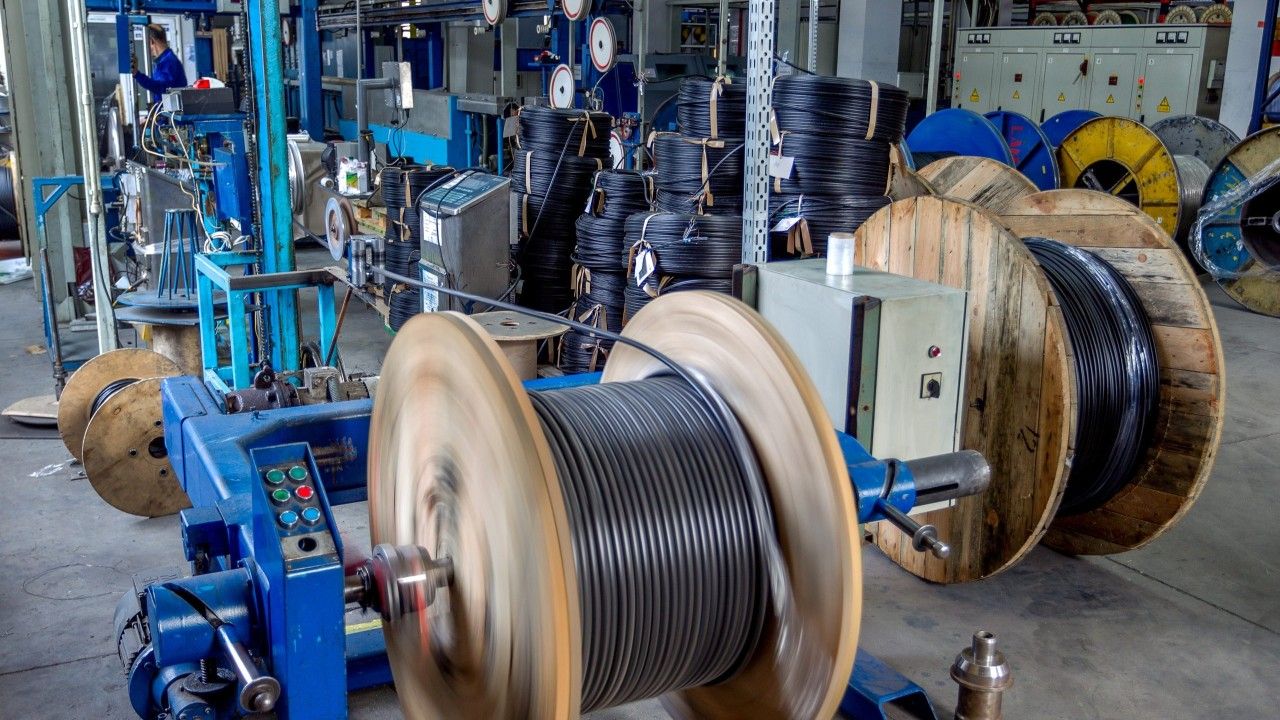
Understanding how cable manufacturing machines operate provides valuable insight into one of the most important sectors supporting modern industry. From preparing raw materials to final inspection, each stage of production contributes to the reliability and performance expected from today's electrical and communication cables.
How Modern Cable Manufacturing Systems Operate
Cable manufacturing involves a sequence of coordinated production processes rather than a single machine. Each machine performs a specialized function while remaining connected to the overall production workflow.
Raw conductive materials such as copper or aluminum are first prepared before moving through multiple processing stages. As production continues, additional layers including insulation, shielding, fillers, armoring, and protective jackets are added according to the cable's intended application.
Because every stage influences the final product, manufacturers carefully synchronize machine speeds, material handling, and quality inspection systems to maintain consistent production.
Key Equipment Used Throughout Production
Modern cable manufacturing facilities utilize several specialized machines that work together to produce finished cables with precise electrical and mechanical characteristics.
Wire Drawing Machines
Wire drawing machines reduce the diameter of metal rods by pulling them through a series of precision dies. This process improves dimensional accuracy while preparing conductors for later manufacturing stages.
Lubrication systems, cooling equipment, and tension control help maintain stable production and consistent conductor quality during continuous operation.
Stranding Machines
Many industrial cables require multiple conductors to be twisted together into a single assembly. Stranding machines arrange individual wires according to specific patterns that improve flexibility, mechanical strength, and electrical performance.
Different stranding methods are selected depending on the intended application, conductor size, and cable construction.
Extrusion Lines
Extrusion equipment applies insulation and protective polymer layers around the conductor. During this process, carefully controlled temperatures and material flow ensure that insulation thickness remains uniform throughout production.
Modern extrusion systems often include automatic diameter measurement and cooling sections that stabilize the finished cable before additional processing.
Jacketing and Protective Layer Systems
Many industrial cables require additional protective layers beyond primary insulation. Jacketing machines apply outer coverings that improve resistance to moisture, abrasion, chemicals, ultraviolet exposure, and mechanical stress.
Depending on application requirements, manufacturers may also include metallic shielding, armoring, or specialized protective compounds.
Automation Improves Manufacturing Consistency
Automation has become one of the defining characteristics of modern cable manufacturing machines. Computer-controlled systems regulate production speed, conductor tension, extrusion temperature, cooling conditions, and winding operations throughout the manufacturing process.
Sensors continuously monitor production variables and allow adjustments before minor deviations affect product quality. This level of process control helps reduce production interruptions while maintaining consistent manufacturing standards across long production runs.
Integrated automation also simplifies production planning by allowing manufacturers to store machine settings for different cable specifications, reducing setup time when switching between product types.
Quality Control Throughout the Production Process
Quality assurance begins long before the finished cable reaches final inspection. Modern production systems incorporate continuous monitoring equipment that evaluates multiple characteristics during manufacturing rather than relying solely on end-of-line testing.
Common inspection processes include:
- Conductor diameter measurement
- Insulation thickness verification
- Spark testing for insulation defects
- Surface inspection
- Diameter monitoring
- Length measurement
- Tension monitoring
These inspection systems help identify production variations early, reducing material waste while supporting consistent product performance.
Materials Processed by Cable Manufacturing Machines
Cable manufacturing equipment must accommodate a wide range of conductive and insulating materials depending on the intended application.
Conductive materials commonly include copper and aluminum, while insulation systems may use polymers such as polyethylene, cross-linked polyethylene, polypropylene, polyvinyl chloride, thermoplastic elastomers, or fluoropolymers.
Material selection depends on factors including operating temperature, electrical requirements, flexibility, environmental exposure, and mechanical durability.
Modern production equipment is designed to process these materials efficiently while maintaining stable operating conditions throughout continuous manufacturing.
Applications Across Multiple Industries
Cable manufacturing machines support production for numerous industrial sectors where dependable electrical connections are essential.
Major application areas include:
- Electrical power transmission
- Building infrastructure
- Industrial automation
- Automotive manufacturing
- Renewable energy systems
- Telecommunications networks
- Data centers
- Railway infrastructure
- Marine applications
- Aerospace manufacturing
Each industry requires cables with different performance characteristics, making manufacturing flexibility an important capability for modern production facilities.
Production Efficiency and Process Integration
Modern manufacturing facilities increasingly integrate individual cable production machines into automated production lines. Material handling systems, robotic coil transfer, digital monitoring platforms, and centralized control software coordinate production from raw material preparation through final packaging.
This integrated approach improves production visibility while reducing manual intervention. Operators can monitor equipment status, review production data, and identify maintenance requirements using centralized supervisory systems that support informed operational decisions.
Process integration also contributes to better resource utilization by minimizing production delays and improving coordination between manufacturing stages.
Maintenance and Operational Reliability
Cable manufacturing machines operate under demanding production conditions, making preventive maintenance an essential part of long-term operational performance.
Routine activities include inspection of drawing dies, calibration of measurement equipment, lubrication of moving components, verification of temperature control systems, and maintenance of extrusion equipment. Monitoring these areas helps preserve production accuracy while reducing the likelihood of unexpected equipment failures.
Many modern systems also incorporate predictive maintenance capabilities that analyze operating conditions to identify components requiring attention before significant wear affects production quality.
Conclusion
Cable manufacturing machines form the foundation of modern wire and cable production by combining specialized processing equipment with advanced automation and continuous quality control. Their ability to produce reliable conductors, insulation systems, and protective cable structures supports industries ranging from energy and telecommunications to transportation and industrial automation. As manufacturing technologies continue to advance, integrated production systems will remain essential for delivering the precision, consistency, and operational efficiency required by today's increasingly connected world.