
Industrial water treatment systems support a wide range of manufacturing and processing industries where water quality directly influences equipment performance, production efficiency, and environmental compliance. From power generation and food processing to pharmaceuticals, chemical manufacturing, and metal fabrication, properly treated water helps maintain reliable operations while protecting valuable infrastructure.
As industries place greater emphasis on resource efficiency and sustainable production, advanced filtration technologies have become increasingly important. Modern treatment systems remove suspended particles, dissolved contaminants, microorganisms, and unwanted minerals using carefully engineered processes that can be adapted to different water sources and operational requirements.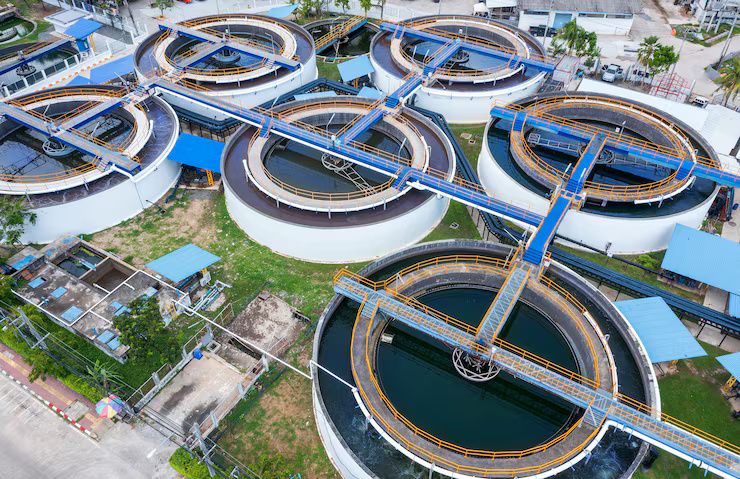
Understanding how industrial water treatment systems operate provides valuable insight into the technologies that help organizations maintain consistent water quality, reduce equipment wear, improve process reliability, and support responsible water management across diverse industrial environments.
Why Water Treatment Matters in Industrial Operations
Water performs many functions within industrial facilities. It is used for cooling, heating, cleaning, steam generation, product processing, chemical reactions, and equipment operation. Because each application has different quality requirements, untreated water is rarely suitable for direct industrial use.
Natural water sources often contain suspended solids, dissolved salts, organic matter, microorganisms, and minerals that can interfere with industrial processes. Without appropriate treatment, these contaminants may contribute to scaling, corrosion, fouling, reduced heat transfer efficiency, and premature equipment wear.
Industrial water treatment systems address these challenges by removing or reducing contaminants before the water enters production equipment, helping facilities maintain operational reliability while extending equipment service life.
Building Blocks of Modern Water Treatment Systems
Industrial treatment facilities combine multiple technologies rather than relying on a single filtration method. Each stage targets specific contaminants and prepares the water for the next phase of treatment.
Pre-Treatment Processes
The first stage focuses on removing larger particles and protecting downstream equipment. Screening, sedimentation, multimedia filtration, and cartridge filtration are commonly used to eliminate suspended solids and debris that could damage pumps, membranes, or process equipment.
Effective pre-treatment also improves the performance and lifespan of more advanced filtration technologies.
Advanced Filtration Technologies
Once larger contaminants have been removed, advanced filtration systems address smaller particles and dissolved substances that affect water quality.
Common technologies include:
- Microfiltration
- Ultrafiltration
- Nanofiltration
- Reverse osmosis
- Activated carbon filtration
- Ion exchange systems
Each technology is designed for specific treatment objectives, allowing engineers to configure systems that match industrial water quality requirements.
Membrane Filtration in Modern Water Treatment
Membrane filtration has become one of the most significant developments in industrial water treatment. These systems separate contaminants by allowing water molecules to pass through specially engineered membranes while retaining unwanted substances.
Reverse osmosis systems are widely used where high-purity water is required, such as pharmaceutical manufacturing, electronics production, and high-pressure boiler applications. Ultrafiltration systems, meanwhile, are often selected for removing bacteria, colloidal materials, and fine suspended particles.
Membrane technologies provide consistent treatment performance while supporting water reuse strategies in facilities seeking to improve resource efficiency.
Automation and Process Monitoring
Modern industrial water treatment systems increasingly rely on automation to maintain consistent operating conditions. Sensors continuously measure parameters such as flow rate, pressure, conductivity, pH, turbidity, and temperature.
These measurements are transmitted to control systems that adjust pumps, valves, dosing equipment, and filtration cycles in real time. Automation reduces manual intervention while helping operators maintain stable treatment performance under changing operating conditions.
Integrated monitoring also enables predictive maintenance by identifying gradual performance changes before they affect production.
Selecting the Right Treatment Approach
No single treatment process is suitable for every industrial application. Engineers evaluate multiple factors before designing a treatment system, including the source water characteristics, intended industrial process, required water quality, operating environment, regulatory requirements, and long-term maintenance considerations.
Facilities often combine physical filtration, chemical treatment, biological processes, and membrane technologies to create treatment systems tailored to their operational needs. This integrated approach provides greater flexibility while supporting consistent performance across varying production conditions.
Supporting Sustainable Water Management
Water conservation has become an important objective for many industrial organizations. Modern treatment technologies allow facilities to recover, recycle, and reuse water that would previously have been discharged.
By improving filtration efficiency and reducing contaminant loads, industrial water treatment systems help lower freshwater consumption while minimizing wastewater generation. These improvements contribute to more sustainable manufacturing practices without compromising operational performance.
As industries continue to modernize, advanced treatment technologies are expected to play an increasingly important role in balancing production requirements with responsible resource management.
Conclusion
Industrial water treatment systems combine advanced filtration technologies, process monitoring, automation, and carefully engineered treatment stages to deliver reliable water quality across a wide range of industrial applications. By selecting appropriate filtration solutions and integrating modern control systems, manufacturers can improve equipment reliability, support consistent production, and strengthen long-term water management strategies. As industrial processes continue to evolve, effective water treatment will remain an essential component of efficient and sustainable operations.