Basement water can spread quickly through flooring, walls, stored belongings, and structural materials.
A prompt response can limit further damage, but water removal should begin with safety rather than simply trying to clear the largest amount of water as fast as possible.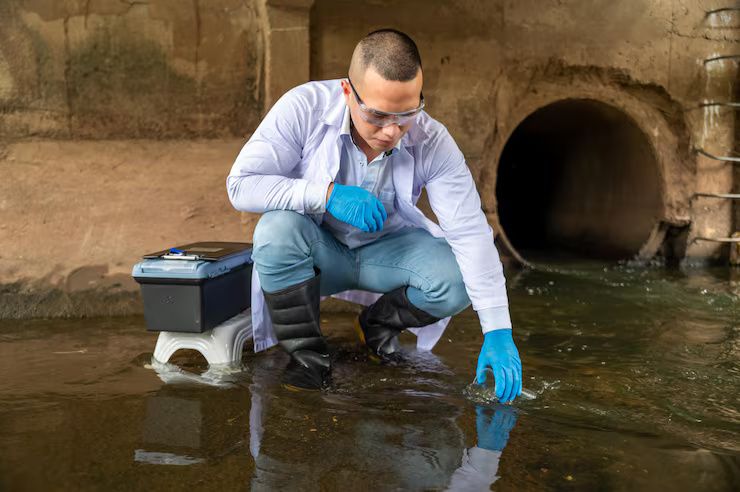
Basement flooding can result from heavy rainfall, foundation seepage, plumbing failures, sump pump problems, or drainage issues around the property. The source and type of water matter because they determine which materials can be handled safely and which situations require additional precautions.
A practical basement water extraction approach involves assessing hazards, stopping the source when possible, removing standing water, drying affected materials, and checking for hidden moisture. Understanding each stage helps homeowners respond more methodically and recognize when professional assessment may be necessary.
Start With Safety Before Removing Water
The first step is determining whether entering the basement is safe. Standing water can conceal electrical hazards, unstable materials, sharp objects, contaminated substances, or damaged structural elements.
If water has reached electrical outlets, appliances, wiring, or electrical panels, avoid entering the affected area until the electrical system has been evaluated and made safe by a qualified professional. Do not operate electrical equipment while standing in water.
The source of the water also needs consideration. Clean water from a supply-line failure presents different concerns from water entering through sewage, drains, or contaminated exterior flooding. Potentially contaminated water should not be handled casually because it may contain harmful microorganisms or chemicals.
Identify and Control the Water Source
Removing water without addressing its source can result in repeated flooding. Before extraction begins, determine where the water is coming from if it can be done safely.
Common sources include foundation leaks, damaged plumbing, overflowing drainage systems, failed sump pumps, blocked gutters, and surface water entering through doors or basement windows.
A plumbing leak may require shutting off the appropriate water supply. If groundwater is entering because of drainage problems, temporary measures may reduce additional flow while the underlying issue is evaluated.
The objective at this stage is containment. Even a small continuing flow can undermine drying efforts and increase the amount of material exposed to moisture.
Assess the Basement Before Extraction
Once the area is considered safe, inspect the affected space carefully. Determine how far the water has spread and identify materials that have been exposed.
Porous materials such as carpeting, upholstered items, insulation, and some types of drywall can retain substantial moisture. Hard surfaces such as concrete, tile, and certain sealed materials are generally easier to clean and dry.
Photographs can also help document the condition of the basement before materials are moved or discarded. This creates a useful record of the affected areas and may help organize subsequent repair decisions.
Remove Standing Water Methodically
The appropriate extraction method depends on the depth of the water and the size of the affected area. Small amounts of water may sometimes be collected using basic equipment, while extensive flooding can require high-capacity extraction equipment.
Water should be removed systematically rather than pushed from one area into another. A wet-dry vacuum designed for water extraction can be useful for suitable situations, provided electrical safety requirements are fully addressed.
For substantial flooding, specialized extraction equipment can remove large volumes of water more efficiently. Professional operators may use powerful pumps, extraction units, and moisture-measuring equipment to manage larger affected areas.
The objective is not simply to make the floor appear dry. Moisture can remain underneath flooring, behind walls, and inside other materials even after visible water has disappeared.
Dry Materials and Hidden Moisture
After standing water has been removed, drying becomes the central concern. Moisture left behind can contribute to microbial growth, odors, deterioration of building materials, and longer-term damage.
Air movement can accelerate evaporation when conditions are appropriate. Fans can circulate air across damp surfaces, while dehumidifiers can reduce moisture in the surrounding environment.
Basement drying should be approached as a controlled process. Simply placing a fan in the room may not address moisture trapped beneath flooring or inside walls.
Moisture meters can help identify areas that still contain elevated moisture. Comparing readings between affected and unaffected areas can provide a clearer indication of whether drying is progressing adequately.
Determine Which Materials Can Be Restored
Not every wet material should automatically be discarded. The decision depends on the material, the type of water involved, how long it remained wet, and the extent of contamination or deterioration.
Concrete surfaces generally tolerate water exposure better than many porous materials. Certain finished surfaces may also be recoverable when cleaned and dried promptly.
Carpet, insulation, drywall, wood products, and other absorbent materials require closer evaluation. Materials exposed to contaminated water may present additional concerns and should be handled according to appropriate safety practices.
Avoid making restoration decisions based solely on appearance. A material that looks dry on the surface may still contain significant internal moisture.
Pay Attention to Mold and Microbial Growth
Moisture creates conditions that can support microbial growth, particularly when damp materials remain wet for an extended period. This makes rapid drying an important part of basement water recovery.
Signs of moisture-related problems can include persistent musty odors, visible discoloration, damp wall sections, warped flooring, and recurring condensation.
Cleaning affected surfaces does not eliminate the underlying moisture problem. If water remains trapped inside building materials, microbial growth may continue even after visible areas have been cleaned.
Large areas of contamination, persistent moisture, or suspected growth inside walls may warrant evaluation by appropriately qualified professionals.
Common Basement Areas That Need Attention
Water extraction should extend beyond the most obvious puddles. Several less-visible locations can retain moisture after flooding.
Particular attention should be given to:
- Floor-wall junctions where water can collect.
- Areas beneath carpets, pads, and floating flooring.
- Wall cavities and lower sections of drywall.
- Spaces around plumbing penetrations.
- Stored cardboard, fabrics, and other absorbent belongings.
- Sump pump areas and drainage channels.
Checking these locations helps prevent a partially dried basement from developing longer-term moisture problems.
Prevent Future Basement Water Problems
Water extraction addresses the immediate event, but prevention requires identifying why the basement became wet. Exterior drainage is often an important part of that assessment.
Gutters and downspouts should direct rainwater away from the foundation. Grading around the building should also encourage surface water to move away rather than collect against foundation walls.
Inside the basement, sump pump operation and drainage systems should be checked periodically. A backup strategy can also be useful in properties that depend heavily on sump pumping during severe weather.
Foundation cracks, deteriorated seals, recurring seepage, and drainage failures should be investigated rather than repeatedly managed as isolated flooding events.
When Professional Water Extraction Is Appropriate
Homeowners can sometimes manage limited water intrusion when the source is understood and the area is clearly safe. Larger or more complicated flooding situations are different.
Professional assistance may be appropriate when water covers a substantial portion of the basement, contaminated water is involved, electrical systems have been affected, structural materials are saturated, or hidden moisture is difficult to assess.
Professional extraction can also be valuable when drying requires specialized equipment or when the source of recurring water intrusion has not been identified.
The key consideration is not simply how much water is visible. The type of water, affected materials, contamination risk, and hidden moisture all influence the complexity of the situation.
Conclusion
A safer basement water extraction process begins with hazard assessment and source control before moving into water removal and drying. Standing water should be removed systematically, while hidden moisture in flooring, walls, and other materials should receive equal attention.
Effective recovery also involves evaluating which materials can be restored, watching for moisture-related microbial growth, and identifying the conditions that allowed water to enter. Addressing those underlying factors can help reduce the likelihood of repeated basement water problems.