
Modern homes are expected to offer more than visual appeal. They serve as workplaces, family gathering spaces, entertainment areas, and places for relaxation, making thoughtful interior design an essential part of everyday living. A well-designed interior balances aesthetics with comfort, functionality, and efficient use of available space
Interior design trends continue evolving as lifestyles change and technology becomes more integrated into residential environments. Rather than focusing solely on decoration, contemporary design emphasizes flexible layouts, practical storage, sustainable materials, and adaptable living spaces that support different daily activities.
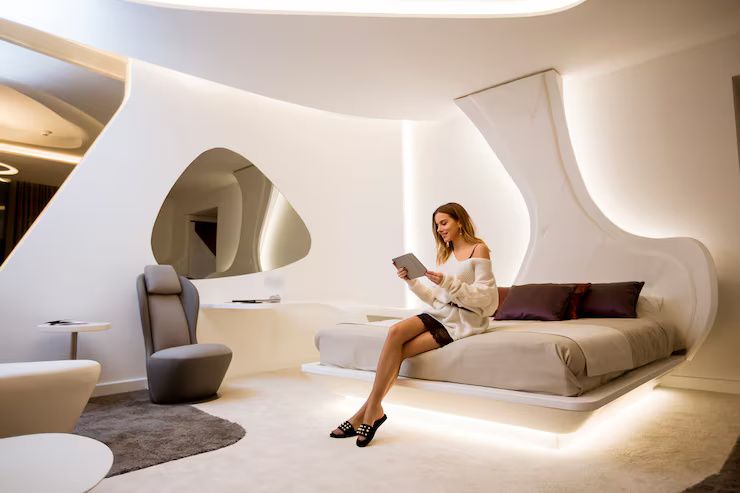
Understanding current interior design trends helps homeowners, designers, and renovation planners make informed decisions that improve both appearance and long-term usability. Well-planned interiors create environments that remain functional while adapting to changing needs over time.
Functionality Shapes Modern Interior Design
One of the defining characteristics of contemporary interior design is the emphasis on functionality. Every design decision considers how a space will be used rather than focusing exclusively on appearance.
Living rooms often serve multiple purposes, including entertainment, remote work, and family interaction. Kitchens have evolved into social spaces where cooking, dining, and conversation naturally come together. Bedrooms increasingly incorporate reading areas or compact workstations without sacrificing comfort.
This functional approach encourages layouts that maximize circulation, improve accessibility, and reduce unnecessary visual clutter throughout the home.
Smart Space Planning Improves Everyday Living
Effective space planning forms the foundation of successful interior design. Rather than filling rooms with furniture, designers evaluate movement patterns, natural light, storage needs, and room proportions before determining the most suitable layout.
Open-plan designs remain popular because they encourage interaction while making smaller homes appear more spacious. At the same time, carefully positioned furniture and subtle architectural elements help define individual activity zones without requiring permanent walls.
Thoughtful space planning also considers future flexibility, allowing rooms to accommodate changing family needs with minimal renovation.
Natural Materials Continue to Influence Design
Modern interiors increasingly incorporate natural materials that introduce warmth and texture into living spaces. Wood, natural stone, linen, cotton, bamboo, and ceramic finishes create environments that feel comfortable without becoming visually overwhelming.
Combining these materials with neutral color palettes produces balanced interiors that remain timeless rather than following short-lived decorating trends.
Textured surfaces, handcrafted details, and organic finishes also add visual interest while maintaining a calm and welcoming atmosphere.
Color Choices Focus on Balance and Comfort
Color selection significantly influences how interior spaces feel and function.
Soft neutral tones remain widely used because they provide flexibility when updating furniture or decorative accessories. Warm whites, muted earth tones, gentle greens, and subtle gray shades create comfortable backgrounds suitable for many architectural styles.
Accent colors are often introduced through textiles, artwork, decorative objects, or feature walls rather than dominating entire rooms. This approach allows homeowners to refresh interiors without major renovation projects.
Natural daylight also plays an important role in determining how colors appear throughout different times of the day, making lighting considerations an essential part of color planning.
Multifunctional Furniture Supports Flexible Living
As residential spaces become more adaptable, furniture increasingly performs multiple functions.
Common examples include:
- Extendable dining tables
- Storage beds
- Modular seating systems
- Foldable workstations
- Hidden storage benches
- Convertible sofas
- Wall-mounted shelving
- Compact media units
These solutions help maximize usable floor space while maintaining organized interiors, particularly in apartments and smaller homes.
Rather than adding more furniture, contemporary design focuses on selecting versatile pieces that serve several practical purposes.
Lighting Creates Depth and Atmosphere
Lighting has become one of the most influential elements in interior design because it affects both functionality and mood.
Successful lighting plans combine multiple layers rather than relying on a single ceiling fixture. Ambient lighting provides general illumination, task lighting supports reading and work activities, while accent lighting highlights architectural details or decorative features.
Large windows, skylights, and open layouts further enhance natural lighting, reducing dependence on artificial illumination during daylight hours.
Smart lighting systems also allow homeowners to adjust brightness and color temperature according to different activities and times of day.
Technology Integrates Seamlessly into Modern Interiors
Home technology is increasingly incorporated into interior design without dominating the overall appearance of living spaces.
Smart thermostats, automated lighting controls, voice-controlled devices, integrated security systems, and concealed charging stations improve convenience while maintaining clean, uncluttered interiors.
Designers often conceal wiring, networking equipment, and entertainment systems within cabinetry or architectural features, allowing technology to remain functional without disrupting visual harmony.
The objective is to create spaces where digital tools support everyday living while blending naturally into the overall design.
Sustainable Design Practices Gain Importance
Environmental awareness continues influencing residential interior design decisions.
Many homeowners now prioritize durable materials, energy-efficient lighting, responsibly sourced wood products, recycled materials, and furnishings designed for long-term use rather than frequent replacement.
Improved insulation, energy-efficient windows, and natural ventilation strategies also contribute to more sustainable homes while enhancing indoor comfort throughout the year.
Choosing quality materials with longer service lives often reduces maintenance requirements and supports more responsible resource use over time.
Personalization Adds Character
Although design trends provide inspiration, successful interiors ultimately reflect the preferences and lifestyles of the people who use them.
Personal collections, artwork, family photographs, handcrafted furniture, and meaningful decorative accessories help create spaces with individual character. Rather than following a single design style rigidly, many modern interiors combine contemporary elements with traditional details or cultural influences.
This balanced approach results in homes that feel authentic, comfortable, and uniquely suited to their occupants.
Frequently Asked Questions
How can small homes benefit from modern interior design?
Smart layouts, multifunctional furniture, efficient storage solutions, and thoughtful lighting can make compact spaces feel larger and more functional without increasing the home's physical size.
Are open floor plans suitable for every home?
Open layouts work well in many homes, but the ideal arrangement depends on household size, privacy needs, structural constraints, and lifestyle preferences.
Why is lighting considered an important design element?
Lighting influences visibility, comfort, mood, and the overall perception of space. A balanced lighting plan improves both functionality and visual appeal throughout the home.
Conclusion
Modern interior design extends beyond decoration by combining thoughtful planning, functional layouts, sustainable materials, and adaptable living solutions. Every design element contributes to creating spaces that support comfort, efficiency, and everyday activities while maintaining visual harmony.
As residential needs continue evolving, successful interiors will prioritize flexibility, quality materials, integrated technology, and practical space planning. Homes designed with these principles remain functional, inviting, and well suited to changing lifestyles for years to come.