Dubai's villa architecture has evolved into a blend of spacious residential planning, contemporary aesthetics, and technology-focused living.
Luxury Dubai villas increasingly emphasize how a home functions throughout the day, combining private spaces with intelligent systems, efficient layouts, and carefully considered indoor and outdoor environments.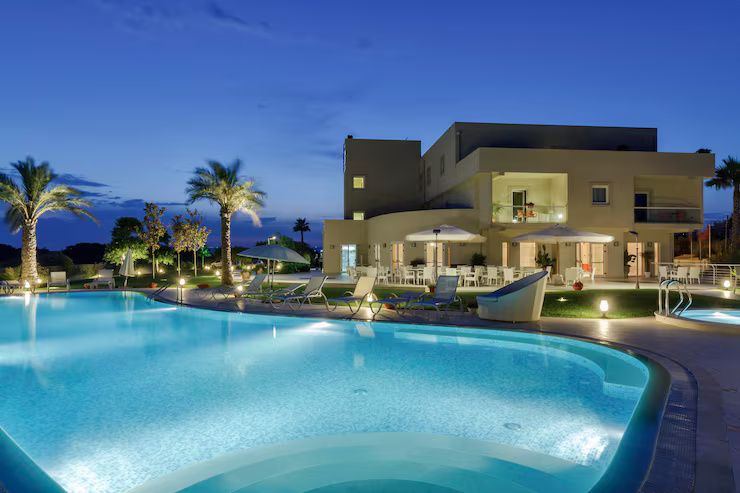
Modern villa design in Dubai reflects the city's distinctive climate, multicultural population, and preference for sophisticated residential environments. Large floor plans remain important, but newer properties also place greater attention on natural light, energy management, automation, privacy, and seamless transitions between interior and exterior spaces.
Understanding these design elements provides a clearer view of what distinguishes contemporary villas from traditional residential layouts. From smart-home infrastructure and climate control to wellness spaces and adaptable rooms, modern comfort is increasingly integrated into the architecture rather than added as an afterthought.
How Modern Villa Design Has Evolved in Dubai
Earlier villa layouts often concentrated on generous rooms, decorative finishes, and formal entertaining areas. Contemporary residential architecture has shifted toward functionality, flexible spaces, and technology that can support everyday routines without creating visual clutter.
Open-plan living areas are now common, allowing kitchens, dining spaces, and family rooms to connect naturally. At the same time, private zones such as bedrooms, study areas, and guest suites are positioned to provide separation when residents need quieter surroundings.
This balance between openness and privacy is particularly relevant for larger households. A well-planned villa can accommodate shared activities while still providing individual spaces for work, study, relaxation, and social gatherings.
Smart Technology as Part of the Home
Smart-home technology has become one of the defining features of contemporary villa design. Instead of relying on separate controls for individual systems, integrated platforms can connect lighting, climate control, security, entertainment, and other household functions.
Automated lighting can adjust according to time, occupancy, or personal preferences. Motorized blinds can help regulate sunlight, while connected climate systems can manage indoor temperatures across different areas of the property.
Security technology can also be integrated into the home's infrastructure. Smart access controls, surveillance systems, video doorbells, and connected alarms can provide residents with greater visibility over activity around the property.
The most effective technology is usually the least intrusive. Systems should simplify routines rather than create unnecessary complexity, which makes thoughtful planning and user-friendly controls important parts of smart villa design.
Climate-Conscious Comfort and Energy Management
Dubai's hot climate makes temperature management a central consideration in residential architecture. Modern villas therefore incorporate design features that can improve indoor comfort while helping manage energy consumption.
High-performance glazing, appropriate insulation, shaded windows, and carefully positioned outdoor spaces can reduce direct solar exposure. These architectural choices work alongside air-conditioning systems to maintain comfortable interior conditions.
Smart thermostats and zoning systems can further refine climate management. Rather than treating the entire villa as a single temperature-controlled area, different rooms can be managed according to occupancy and usage patterns.
Landscape planning also contributes to thermal comfort. Shaded gardens, covered terraces, and strategically positioned vegetation can create more usable outdoor areas while reducing exposure to intense sunlight.
Indoor and Outdoor Spaces Work Together
One of the strongest characteristics of modern Dubai villa design is the connection between interior and exterior living.
Large glass doors, covered terraces, landscaped gardens, balconies, and outdoor seating areas can create a gradual transition between enclosed rooms and open-air spaces. This approach expands the practical living environment without relying solely on additional interior floor area.
Outdoor kitchens, shaded dining zones, swimming pools, and private gardens can serve different purposes throughout the day. Their design must account for Dubai's climate, particularly exposure to heat and sunlight.
Good planning therefore considers shade, ventilation, privacy, lighting, and access alongside visual appearance. The result is an outdoor environment that feels like an intentional extension of the home.
Flexible Spaces for Changing Lifestyles
Modern households often require rooms that can serve multiple functions. A dedicated office may become a study area, guest room, or creative workspace, while larger family rooms can accommodate entertainment and everyday activities.
Flexible planning is particularly useful because household needs can change over time. Children grow, work arrangements evolve, and families may require different combinations of private and shared spaces.
Built-in storage, movable furniture arrangements, sliding partitions, and adaptable rooms can make a villa more responsive to these changes. This type of planning focuses on long-term usability rather than designing every room around one fixed purpose.
Wellness Features in Contemporary Villas
Wellness has also become an important consideration in residential design. Private fitness rooms, meditation areas, swimming pools, landscaped gardens, and spa-inspired bathrooms can support healthier daily routines within the home.
Natural light plays an important role in these environments. Larger windows and carefully positioned openings can create brighter interiors while maintaining privacy through landscaping, screening, and architectural orientation.
Bathrooms increasingly emphasize relaxation through generous layouts, walk-in showers, soaking tubs, ventilation, and durable materials. These details demonstrate how comfort can be incorporated into ordinary household routines rather than reserved for dedicated recreational areas.
Materials, Lighting, and Interior Atmosphere
Materials strongly influence how a villa feels and performs. Contemporary designs often combine stone, wood, glass, metal, textured surfaces, and neutral finishes to create visual depth without excessive ornamentation.
Lighting is equally important. A layered lighting strategy can combine general illumination with task lighting and accent lighting, allowing residents to adjust the atmosphere according to different activities.
Natural light should remain part of the overall strategy. Daylight can highlight architectural features and reduce dependence on artificial lighting during daytime hours, while carefully positioned fixtures provide flexibility after sunset.
Durability also matters. Materials used in high-traffic areas, kitchens, bathrooms, and outdoor environments need to withstand regular use and Dubai's demanding climate.
Privacy and Security in Villa Planning
Privacy is an essential element of luxury residential design, particularly where villas are located within closely planned communities.
Architects may use setbacks, boundary walls, landscaping, screened windows, courtyards, and carefully positioned entrances to create separation from neighboring properties. These features can preserve privacy without making the home feel enclosed.
Security planning works alongside architectural privacy. Controlled access points, lighting, surveillance infrastructure, and connected security systems can be incorporated during the design stage rather than added later.
This integrated approach can produce a home that feels secure while maintaining an open and welcoming character.
What Makes Smart Design Truly Effective?
A villa does not become intelligently designed simply because it contains advanced technology or expensive materials. Effective design begins with understanding how residents actually use the property.
The strongest residential concepts connect architecture, technology, climate response, privacy, and lifestyle requirements into a coherent system. Each feature should have a practical purpose and contribute to the overall experience of the home.
For example, automated blinds become more useful when coordinated with sunlight exposure and climate control. Similarly, outdoor areas become more functional when shade, lighting, landscaping, and access are considered together.
This integrated approach creates comfort through coordination rather than through isolated features.
Conclusion
Luxury Dubai villas increasingly represent a combination of architectural flexibility, smart technology, climate-conscious planning, and everyday comfort. Modern design goes beyond spacious interiors by considering how lighting, automation, privacy, wellness areas, outdoor spaces, and energy management work together.
The most successful villa environments are those where these elements feel naturally integrated into daily life. As residential design continues to evolve, smart planning will remain less about displaying technology and more about creating homes that are adaptable, comfortable, efficient, and responsive to the people who live in them.