
Healthy skin is influenced by many factors, including aging, sun exposure, environmental conditions, genetics, and lifestyle habits. Over time, these factors can contribute to visible concerns such as uneven pigmentation, fine lines, acne scars, enlarged pores, and changes in skin texture. Advances in dermatology have introduced laser-based technologies that allow specialists to address many of these concerns with greater precision than traditional treatment methods.
Dermatology laser treatment has become an established part of modern skin care because it enables targeted treatment while preserving surrounding tissue. Different laser systems are designed to interact with specific layers of the skin, allowing dermatologists to customize treatment according to an individual's skin condition, treatment goals, and recovery expectations.
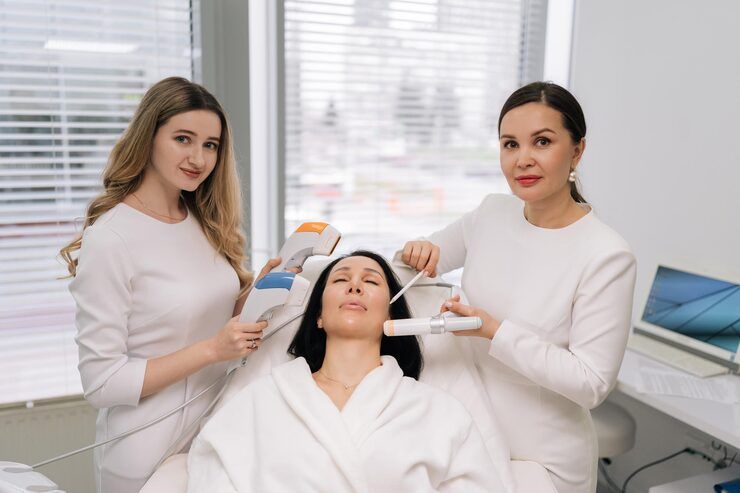
Understanding how dermatology laser treatment works helps patients make informed decisions about skin care options. Learning about the different laser technologies, treatment applications, preparation requirements, and post-treatment care provides a clearer picture of how these procedures contribute to skin renewal.
How Laser Technology Supports Skin Renewal
Laser treatment uses concentrated beams of light that are absorbed by specific targets within the skin. Depending on the wavelength and energy delivered, the laser may target pigment, blood vessels, water within skin tissue, or hair follicles. This selective approach allows dermatologists to treat particular skin concerns while minimizing unnecessary effects on surrounding areas.
Many laser procedures stimulate the skin's natural healing response. As treated tissue recovers, new collagen and elastin production may improve skin texture, firmness, and overall appearance. Because different skin concerns originate at varying depths, modern dermatology clinics often use multiple laser systems designed for specific clinical applications.
Rather than producing identical results for every patient, laser treatments are typically personalized after evaluating skin type, medical history, and treatment objectives.
Common Skin Conditions Treated With Laser Technology
Dermatology laser treatment is used across a broad range of medical and cosmetic skin conditions. The appropriate technology depends on the diagnosis, skin characteristics, and expected clinical outcome.
Common treatment applications include:
- Acne scar improvement
- Fine lines and wrinkles
- Sun-damaged skin
- Uneven skin tone
- Hyperpigmentation
- Age spots
- Rosacea-related redness
- Vascular lesions
- Stretch marks
- Tattoo removal
- Hair reduction
- Benign skin growth management
Because every condition responds differently, treatment planning is individualized rather than based on a single laser platform.
Modern Laser Technologies Used in Dermatology
Ablative Laser Systems
Ablative lasers remove microscopic layers of damaged skin while encouraging new tissue formation during healing. These treatments are commonly selected for more advanced skin resurfacing, scar revision, and wrinkle reduction.
Recovery generally requires additional healing time because the outer skin layer is directly treated. However, these procedures may produce noticeable improvements for selected skin conditions when performed by qualified professionals.
Non-Ablative Laser Systems
Non-ablative lasers heat deeper layers of the skin without removing the surface layer. This approach stimulates collagen remodeling while reducing recovery time compared with ablative procedures.
These treatments are often considered for patients seeking gradual improvements in skin texture, pigmentation, or mild signs of aging with less interruption to daily activities.
Fractional Laser Technology
Fractional laser systems deliver energy through microscopic treatment zones rather than treating the entire skin surface. Small untreated areas remain between the treated columns, supporting faster healing while still encouraging skin renewal.
Fractional technology is frequently used for acne scars, pigmentation concerns, fine lines, and texture irregularities because it balances effectiveness with recovery.
The Consultation and Treatment Planning Process
Successful laser treatment begins with a comprehensive dermatological assessment rather than immediate treatment selection.
During consultation, specialists typically evaluate:
- Skin type and sensitivity
- Medical history
- Current medications
- Previous cosmetic procedures
- Sun exposure habits
- Specific skin concerns
- Treatment expectations
This assessment helps determine whether laser therapy is appropriate and identifies the technology most suitable for the individual's skin condition.
What to Expect During a Laser Treatment Session
Treatment experiences vary depending on the laser system being used and the size of the treatment area. Some procedures require only topical anesthetic creams, while others may involve additional comfort measures.
The skin is first cleansed, protective eyewear is provided, and the laser settings are adjusted according to the treatment plan. During the procedure, patients may experience sensations often described as warmth, mild snapping, or temporary discomfort.
Session duration ranges from several minutes for smaller treatment areas to longer appointments for more extensive resurfacing procedures.
Recovery and Aftercare
Healing time depends largely on the type of laser procedure performed. Non-ablative treatments generally involve minimal downtime, while ablative resurfacing procedures require a longer recovery period.
Following post-treatment instructions supports proper healing and helps reduce the likelihood of complications. Dermatologists commonly recommend gentle skin care, sun protection, moisturization, and temporary avoidance of harsh cosmetic products during recovery.
Because collagen remodeling continues after treatment, improvements may develop gradually over several weeks or months.
Safety Considerations
Laser procedures should always be performed under the supervision of qualified dermatology professionals who understand laser physics, skin biology, and patient safety.
Not every skin concern is best treated with laser therapy, and some individuals may require alternative treatment approaches. Skin type, active infections, certain medications, and medical conditions can influence treatment suitability.
A thorough consultation allows dermatologists to balance expected benefits with potential risks while selecting the most appropriate treatment strategy.
Conclusion
Dermatology laser treatment has become an important component of modern skin renewal by combining precise laser technology with individualized clinical planning. From improving skin texture and pigmentation to supporting scar revision and collagen remodeling, modern laser systems offer versatile treatment options for a wide range of skin concerns. Understanding how these technologies work, how treatment plans are developed, and how proper aftercare supports recovery enables patients to approach laser procedures with realistic expectations and greater confidence.