Roof replacement due to hail damage is a decision many property owners face after severe storms pass through their area. While hail may appear to leave only minor surface marks, its impact can affect roofing materials in ways that are not immediately visible. Understanding the extent of the damage is essential before deciding whether repairs are sufficient or a complete roof replacement is more appropriate.
Hailstorms occur in many regions and vary significantly in size, wind speed, and duration. These differences mean that two homes in the same neighborhood may experience different levels of roof damage depending on roof age, material, installation quality, and storm direction. Careful evaluation helps prevent both unnecessary work and overlooked structural problems.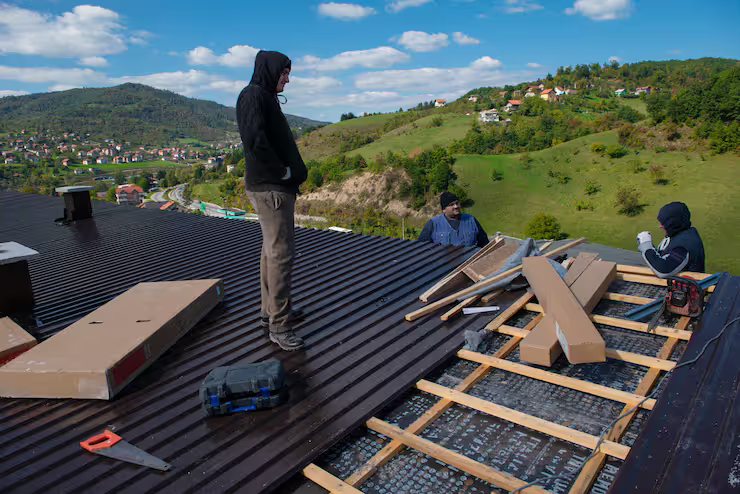
Knowing how hail affects roofing systems, what inspectors look for, and which factors influence replacement decisions enables property owners to make informed choices. A systematic approach also helps preserve the long-term performance of the entire roofing system.
How Hail Affects Different Roofing Materials
The impact of hail depends on more than the size of the ice stones. Wind velocity, roof slope, material composition, and the condition of the roof all influence how much damage occurs.
Asphalt shingles often experience granule loss after hail impacts. These protective granules shield the underlying asphalt from ultraviolet exposure, so excessive loss may shorten the roof's expected service life. Larger impacts can also produce cracks or bruising that become more noticeable over time.
Metal roofing generally resists penetration but may develop dents that affect appearance or, in severe situations, compromise protective coatings. Tile and slate roofs can crack under direct impact, while wood shingles may split when struck repeatedly by larger hailstones.
Even when surface damage appears minor, repeated impacts may weaken roofing materials and increase the likelihood of future moisture intrusion.
Visible and Hidden Signs of Hail Damage
Some forms of hail damage are easy to recognize from ground level, while others require a closer inspection.
Visible indicators may include missing shingles, damaged flashing, dented gutters, or fallen roofing granules accumulating in downspouts. These signs often suggest that the roofing system experienced significant impact during the storm.
Less obvious damage can remain hidden beneath the surface. Moisture may enter through small fractures around fasteners, seams, or flashing connections without immediately causing interior leaks. Over time, trapped moisture can affect roof decking, insulation, and structural components.
Because hidden damage develops gradually, early inspection often provides a clearer understanding of the roof's actual condition.
Why Professional Roof Inspections Matter
A detailed roof inspection helps distinguish cosmetic damage from structural concerns. Experienced inspectors evaluate not only the visible roofing surface but also supporting components that contribute to overall roof performance.
An inspection commonly includes examination of shingles or roofing panels, flashing, ridge caps, roof penetrations, drainage systems, ventilation components, and attic conditions. Interior observations may reveal water staining, insulation issues, or signs of moisture migration that are not visible from outside.
Photographic documentation and written inspection reports also provide a useful record of storm-related damage and support future maintenance planning.
Repair or Replacement: Evaluating the Right Option
Not every hailstorm requires a complete roof replacement. The appropriate solution depends on the extent and distribution of the damage rather than the presence of isolated impact marks.
Localized damage affecting only a small section of the roof may sometimes be addressed through targeted repairs when surrounding materials remain in good condition. Matching replacement materials and preserving the roof's weather resistance are important considerations in these situations.
Replacement becomes more practical when damage is widespread, multiple roofing components have been affected, or the roof is approaching the end of its expected service life. Replacing the entire roofing system can also improve consistency in appearance and long-term performance.
The decision should always consider the overall condition of the roof rather than focusing solely on individual damaged areas.
Factors That Influence Replacement Decisions
Several factors contribute to determining whether roof replacement is appropriate following hail damage.
These considerations often include:
- Overall roof age
- Type of roofing material
- Severity of hail impact
- Distribution of damaged areas
- Structural condition of the roof deck
- Existing maintenance history
- Signs of water intrusion
- Long-term durability expectations
Evaluating these factors together provides a more complete picture than relying on a single indicator alone.
The Importance of Timely Action
Delaying action after hail damage can allow relatively small issues to develop into larger maintenance concerns. Minor fractures, displaced flashing, or damaged sealants may permit moisture to enter the roofing system during subsequent rain events.
Prompt inspections help identify developing problems before they affect insulation, ceilings, wall finishes, or structural framing. Addressing issues early may also simplify future maintenance by limiting the spread of damage.
Even when immediate replacement is not required, regular monitoring helps ensure that previously damaged areas continue performing as intended.
Selecting Durable Roofing Materials for Replacement
When replacement becomes necessary, material selection plays an important role in future roof performance.
Many modern roofing products are designed with improved impact resistance while maintaining durability under varying weather conditions. Material selection should consider regional climate, roof design, ventilation, maintenance expectations, and compatibility with the existing building structure.
Proper installation remains equally important. High-quality materials achieve their intended performance only when installed according to established industry practices and manufacturer specifications.
Maintaining a Roof After Hail Events
Routine maintenance supports long-term roof performance regardless of whether repairs or replacement have been completed.
Periodic inspections following major storms help identify loose materials, blocked drainage systems, damaged flashing, or developing wear before significant deterioration occurs. Keeping gutters clean, removing accumulated debris, and monitoring attic ventilation also contribute to extending roof service life.
Regular maintenance creates opportunities to identify small issues early, reducing the likelihood of more extensive repairs in the future.
Conclusion
Roof replacement due to hail damage requires careful evaluation rather than a quick decision based solely on visible storm impacts. Understanding how hail affects different roofing materials, recognizing both obvious and hidden damage, and obtaining a thorough inspection all contribute to making informed repair decisions.
Whether the outcome involves localized repairs or complete replacement, timely assessment and ongoing maintenance help protect the roofing system and support its long-term reliability. A well-maintained roof continues to provide dependable protection against changing weather conditions while preserving the overall integrity of the building.