
Healthcare continues to evolve as clinical laboratories and medical facilities adopt digital diagnostic technologies to improve testing accuracy, streamline workflows, and support timely clinical decisions. These technologies combine advanced instrumentation, software platforms, and data analysis tools to transform how diagnostic information is collected, processed, and interpreted.
Growing demand for efficient healthcare services has accelerated the adoption of digital systems across hospitals, laboratories, imaging centers, and specialized diagnostic facilities. By reducing manual processes and improving data accessibility, digital diagnostics help healthcare professionals manage increasingly complex testing requirements with greater consistency.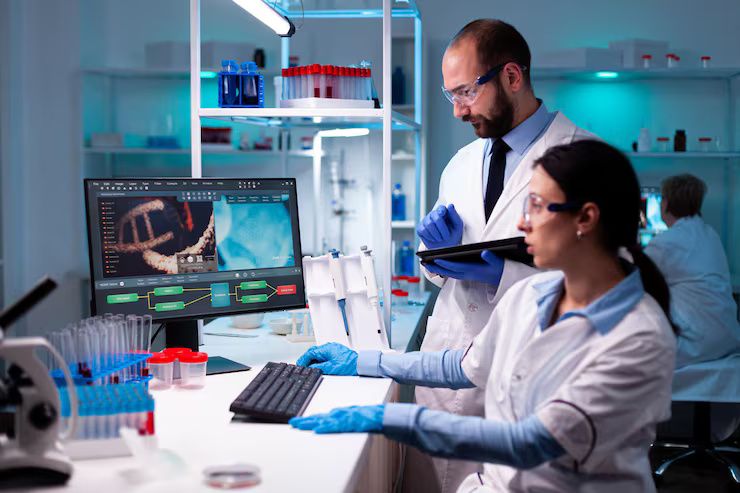
Understanding digital diagnostic technologies provides valuable insight into the systems that support modern clinical testing. From laboratory automation and digital imaging to artificial intelligence-assisted analysis, these innovations continue shaping the future of diagnostic medicine while enhancing operational efficiency.
The Evolution of Digital Diagnostics
Traditional diagnostic procedures often depended on manual sample handling, paper-based reporting, and isolated laboratory equipment. While these methods established reliable clinical practices, increasing testing volumes highlighted the need for more efficient and integrated workflows.
Digital diagnostic technologies address these challenges by connecting laboratory instruments, electronic health records, imaging systems, and analytical software into unified environments. Information can move more efficiently between departments, reducing delays and supporting faster clinical decision-making.
The result is a diagnostic ecosystem where technology supports healthcare professionals without replacing clinical expertise.
Core Technologies Supporting Modern Clinical Testing
Several digital technologies work together throughout the diagnostic process.
Laboratory Information Management Systems organize patient information, testing requests, specimen tracking, quality documentation, and reporting. These systems reduce administrative complexity while improving traceability across laboratory operations.
Automated analyzers perform biochemical, hematology, immunology, and molecular tests with consistent operating procedures. Digital control systems continuously monitor instrument performance and maintain standardized testing protocols.
Digital pathology enables high-resolution scanning of tissue samples, allowing specialists to review images electronically while collaborating with colleagues across different locations.
Medical imaging platforms integrate data from computed tomography, magnetic resonance imaging, ultrasound, and digital radiography into centralized viewing environments that improve accessibility and long-term record management.
Automation Improves Laboratory Efficiency
Automation has become a defining characteristic of modern diagnostic laboratories.
Specimen handling systems identify, sort, transport, and prioritize samples with minimal manual intervention. Automated processing reduces repetitive tasks while helping laboratories manage increasing testing volumes more effectively.
Integrated laboratory automation also coordinates multiple analytical instruments, minimizing delays between processing stages. Continuous workflow monitoring allows laboratories to identify bottlenecks and optimize resource utilization without compromising quality standards.
Although automation improves operational consistency, laboratory professionals remain responsible for oversight, validation, interpretation, and quality assurance throughout the testing process.
Artificial Intelligence Supports Diagnostic Analysis
Artificial intelligence has emerged as a valuable tool within digital diagnostic technologies.
AI algorithms assist healthcare professionals by identifying image patterns, highlighting potential abnormalities, and supporting data interpretation across various diagnostic disciplines. In medical imaging, machine learning systems may detect subtle findings that warrant closer clinical review.
Within laboratory medicine, AI applications analyze large datasets to identify trends, monitor instrument performance, and assist quality management activities.
These technologies function as decision-support systems rather than independent diagnostic tools. Final clinical interpretation continues to rely on qualified healthcare professionals who evaluate findings within the broader clinical context.
Data Integration Enhances Clinical Decision-Making
Modern healthcare depends on efficient access to reliable information. Digital diagnostic technologies improve communication by connecting laboratory results, imaging studies, patient histories, and clinical documentation through integrated healthcare information systems.
This connected approach reduces duplicate testing while providing clinicians with more comprehensive diagnostic information during patient evaluation.
Secure data exchange also supports multidisciplinary collaboration among physicians, laboratory specialists, radiologists, and other healthcare professionals involved in patient care.
As interoperability standards continue evolving, integrated diagnostic data will play an increasingly important role in coordinated healthcare delivery.
Quality Assurance in Digital Diagnostic Systems
Reliable diagnostics require consistent quality management across every stage of testing.
Digital systems continuously monitor instrument calibration, reagent performance, environmental conditions, and analytical quality indicators. Automated alerts notify laboratory personnel whenever predefined operating parameters require attention.
Comprehensive audit trails document testing activities, supporting regulatory compliance and laboratory accreditation requirements. Electronic documentation also improves traceability during quality investigations and process reviews.
These quality management capabilities help laboratories maintain dependable testing performance while supporting continuous operational improvement.
Cybersecurity and Data Protection
Digital healthcare systems manage highly sensitive patient information, making cybersecurity an essential component of diagnostic technology.
Healthcare organizations implement multiple protective measures to safeguard confidential clinical data. Secure authentication, encrypted communication, role-based system access, and continuous security monitoring help reduce unauthorized access risks.
Regular software updates, system validation, disaster recovery planning, and staff cybersecurity awareness further strengthen the resilience of digital diagnostic environments while supporting regulatory compliance.
Emerging Developments in Digital Diagnostics
Innovation continues expanding the capabilities of digital diagnostic technologies.
Cloud-based platforms enable secure collaboration between healthcare facilities, while advanced analytics provide deeper operational insights from laboratory and imaging data. Portable diagnostic devices increasingly support testing outside traditional laboratory environments, extending access to healthcare services in diverse clinical settings.
Advances in molecular diagnostics, digital pathology, and precision medicine continue encouraging the development of highly specialized diagnostic platforms capable of supporting increasingly personalized approaches to patient care.
As technology evolves, interoperability, automation, and intelligent data analysis are expected to remain central priorities for healthcare organizations seeking improved diagnostic efficiency.
Frequently Asked Questions
What are digital diagnostic technologies?
Digital diagnostic technologies are healthcare systems that combine laboratory instruments, imaging equipment, software, automation, and data management tools to improve clinical testing and diagnostic workflows.
How do digital diagnostics improve laboratory operations?
They automate routine processes, enhance data accuracy, improve specimen tracking, reduce manual documentation, and support faster reporting while maintaining consistent quality standards.
Is artificial intelligence replacing healthcare professionals in diagnostics?
No. Artificial intelligence supports data analysis and pattern recognition, but qualified healthcare professionals remain responsible for interpreting results and making clinical decisions.
Conclusion
Digital diagnostic technologies have become an essential part of modern clinical testing by connecting laboratory automation, imaging systems, intelligent software, and integrated healthcare information platforms. These technologies improve workflow efficiency, strengthen quality management, and support more informed clinical decision-making.
As healthcare continues embracing digital transformation, diagnostic technologies will play an increasingly significant role in delivering accurate, efficient, and connected clinical testing solutions that support both healthcare professionals and patient care.